The Marine Life of Hout Bay: A Kayaker’s Guide to Dolphins, Seals, Birds & Seasonal Sightings
Kayaking in Hout Bay offers a rare opportunity to experience marine life from water level - quietly, respectfully, and without engines. While wildlife sightings are always possible but never guaranteed, Hout Bay’s rich coastal ecosystem means there’s almost always something to observe along the way.<br> <br> This guide explains what marine life you may see while kayaking in Hout Bay, how sightings change throughout the year, and why responsible kayak operators never promise wildlife encounters.
An Important Note About Wildlife Sightings
-
Before looking at specific animals, it’s important to set clear expectations:
- Marine wildlife is wild and unpredictable
- Ethical kayak tours do not guarantee sightings
- Animals are never chased, followed, or disturbed
- Some days are busy with activity; others are quieter
Kayaking offers the chance to see marine life in a natural setting - and that uncertainty is part of what makes the experience authentic.
Cape Fur Seals: The Most Commonly Seen Marine Life
-
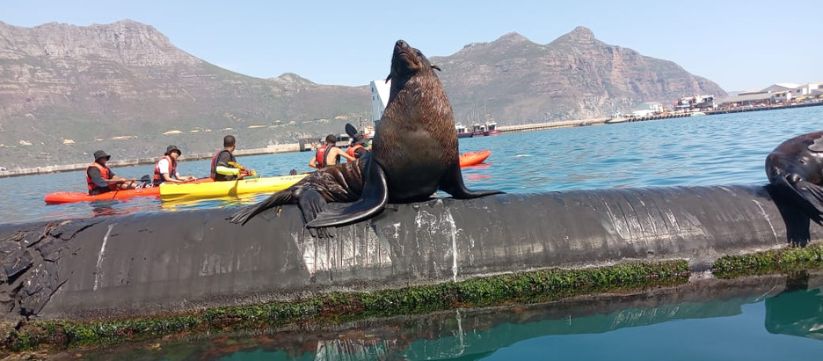
Cape fur seals are the most reliable wildlife sighting on kayak tours in Hout Bay.
Where You’re Likely to See Them
- Near the harbour entrance
- Around buoys and rocky shoreline areas
- Swimming curiously near kayaks
What Makes Them a Highlight
- Playful and inquisitive behaviour
- Comfortable around boats and kayaks
- Present in the bay year-round
Seals are always viewed from a respectful distance, allowing them to approach only if they choose to.
Dolphins in Hout Bay: Year-Round Residents & Seasonal Visitors
-
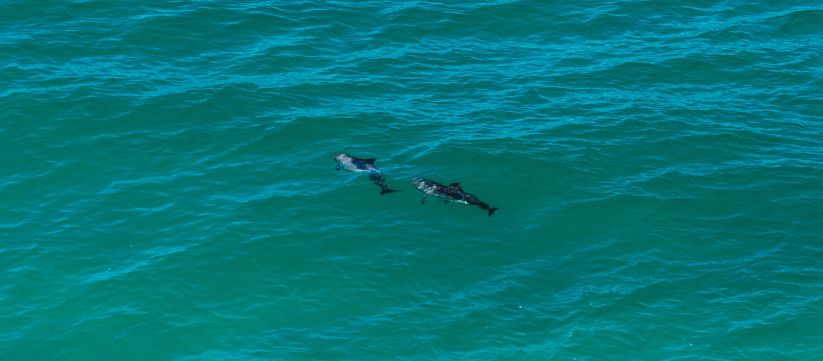
Dolphins can be seen in Hout Bay throughout the year, but species, group size, and activity levels vary by season.
Resident Dolphins (Seen Year-Round)
Hout Bay is home to Heaviside’s dolphins, a smaller coastal species commonly found along the Western Cape shoreline.
- Typically seen in small groups
- Often closer to shore
- Subtle surface behaviour compared to larger dolphin species
Because they are residents, sightings are possible at any time of year, though still never guaranteed.
Seasonal Dolphin Activity (October-March)
-
The best time for larger dolphin species and feeding groups is during the warmer summer months, roughly October to March, when food is more abundant along the Atlantic coast.
During this period, kayakers may encounter:
- Common dolphins, sometimes in larger pods
- Dusky dolphins, known for energetic surface activity
- Occasional mixed-species feeding groups
These sightings depend entirely on natural conditions, particularly the presence of baitfish.
Best Time of Day for Dolphin Sightings
-
While dolphins can appear at any time, sightings are more likely:
- In the early morning
- Or late afternoon, when ocean activity is calmer
That said, dolphin movements are unpredictable, and encounters can happen - or not happen - at any point during the day.
Birdlife: Constant Activity Along the Water
-
Even when marine mammals keep their distance, birdlife brings constant movement to the bay.
Commonly Seen Birds
- Kelp gulls and Hartlaub’s gulls
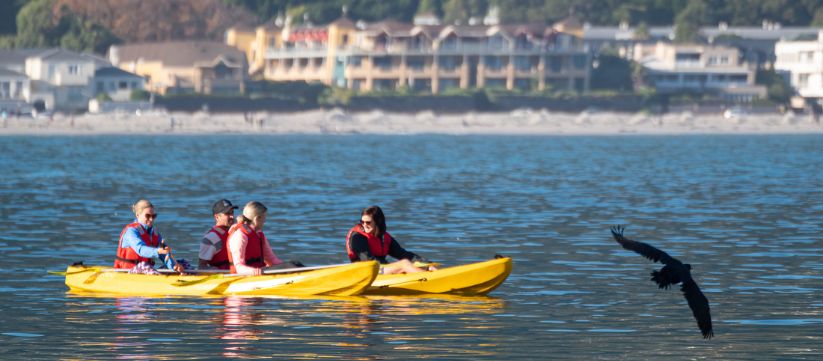
- Cormorants resting on harbour structures
- African oystercatchers along the shoreline
- Seasonal visits from Cape gannets diving offshore
Birdlife is especially active around the harbour and rocky edges of the bay.
Seasonal Marine Life Overview
-
Hout Bay’s marine environment changes subtly throughout the year.
Summer (October-March)
- Highest chance of seeing larger dolphin species
- Possible feeding activity in the bay
- Active birdlife and seals
- Busy harbour environment
Autumn (April-May)
- Continued dolphin movement
- Often calmer ocean conditions
- Excellent water clarity
Winter (June-August)
- Crisp, clear conditions between weather systems
- Regular seal sightings
- Strong seabird presence
- Quieter atmosphere on the water
Spring (September)
- Transitional period
- Increasing marine activity
- Variable weather conditions
Every season offers possibility rather than certainty, and each paddle is slightly different.
Why Kayaking Is Ideal for Wildlife Observation
-
Kayaks offer a low-impact way to experience marine life.
From a kayak:
- There’s no engine noise
- Movements are slow and non-intrusive
- Animals are less disturbed
- Encounters feel natural rather than staged
This is why kayaking is considered one of the most respectful ways to observe coastal wildlife.
Responsible Wildlife Viewing on Kayak Tours
-
Ethical kayak operators prioritise animal welfare.
This means:
- No chasing or crowding wildlife
- Maintaining appropriate distances
- Letting animals control interactions
- Educating guests about respectful behaviour
If wildlife appears, it’s treated as a privilege, not an expectation.
What If You Don’t See Much Wildlife?
-
This is a common concern, especially for first-time paddlers.
Even on quieter wildlife days, guests still enjoy:
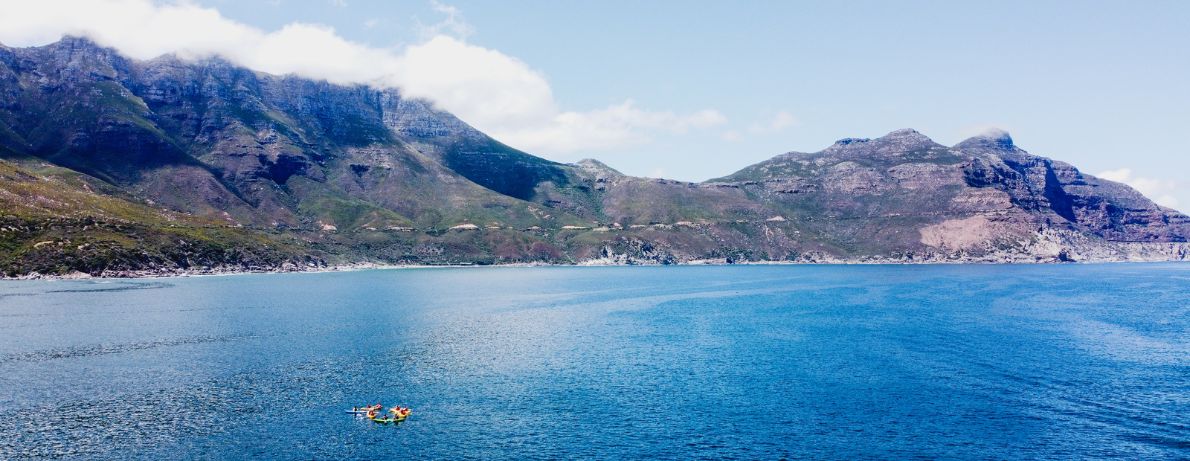
- Dramatic mountain and ocean scenery
- The calm rhythm of paddling
- Fresh sea air and open space
- A deeper connection to the coastline
For many people, the overall experience matters far more than any single sighting.
Kayak Tours in Hout Bay
-
Cape Town Kayaks offers guided experiences that focus on safety, scenery, and responsible wildlife viewing, with sightings treated as a bonus rather than a promise:
- 1-Hour Harbour Secrets Tour
- 2-Hour Hout Bay Kayak Adventure
- (Seasonal) Sunrise Kayak Tour Adventure
Join a guided kayak tour that values safety, scenery, and ethical wildlife viewing. Explore our Hout Bay Kayak Tours to find the experience that suits you.
The marine life of Hout Bay is dynamic, unpredictable, and always changing. Kayaking offers a way to experience it quietly and respectfully - without guarantees, pressure, or artificial encounters.
And often, that’s what makes the moments you do witness so meaningful.
View More